Industry insight
Bridging the Digital Divide: How Compudopt Builds True Digital Equity
Discover how Compudopt is transforming digital equity by providing devices, internet, and tech education to underserved communities across the U.S.
Georgette Lopez-Aguado, VP, Client Experience
September 24, 2025 · 7 MIN · UPD JUN 16, 2026
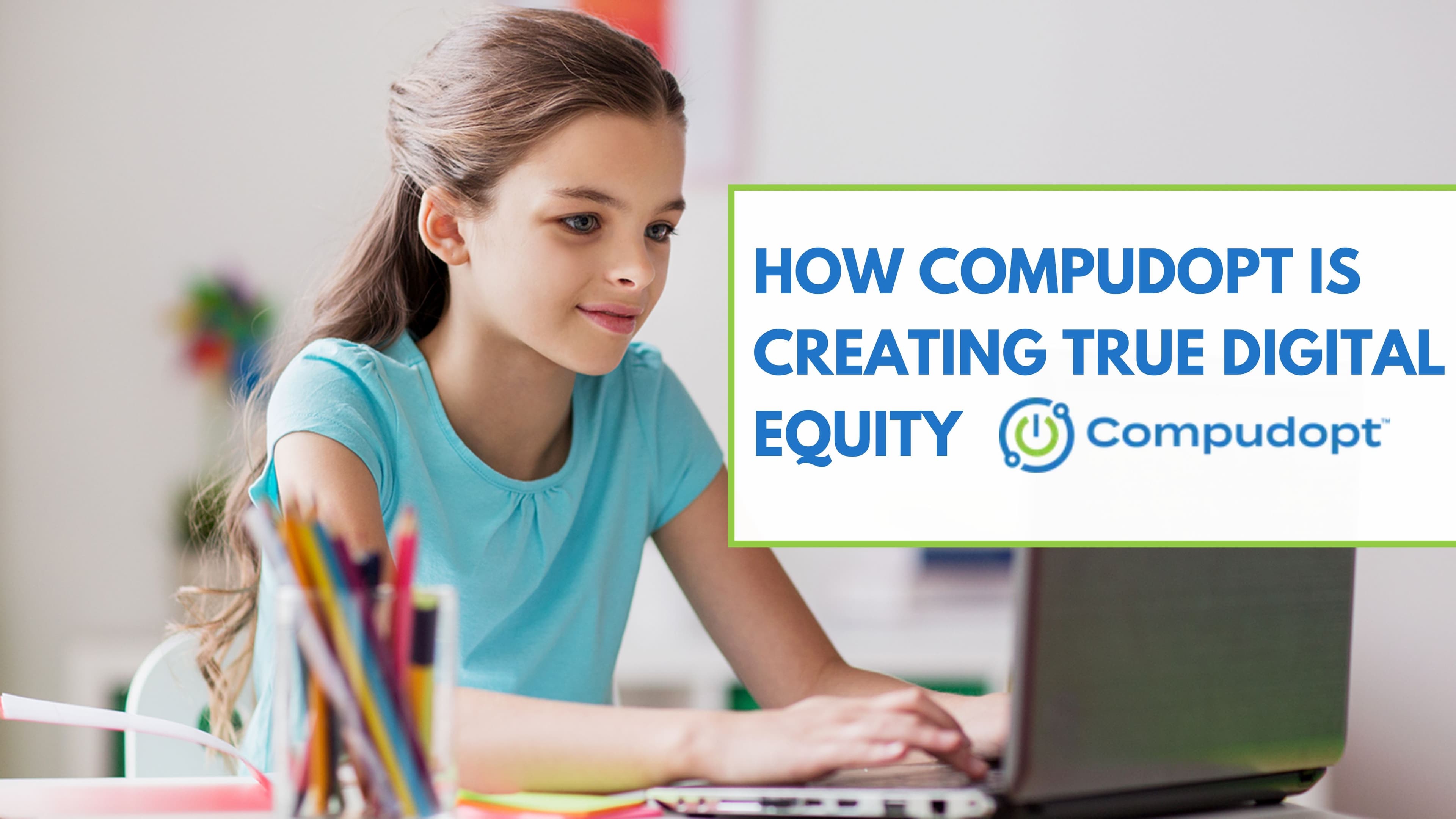
Compudopt is the largest U.S. nonprofit focused on digital opportunity, closing the digital divide by pairing free devices with internet access, digital literacy, and workforce training across 66 cities in 28 states. True digital equity, in their model, is not just a connection but the confidence and autonomy to use it.
What happens when you give a child a computer?
Not just any computer, their own device. One that's not shared, not locked down by school software, not broken or outdated. One that opens a door to learning, to confidence, to a future they didn't know was possible.
This is the heart of Compudopt, a nonprofit that's not just closing the digital divide, they're completely rethinking what digital equity really means. And they're doing it at scale.
From a Closet of Laptops to a Nationwide Digital Equity Movement
Compudopt started in 2007 with a simple observation: companies were replacing computers regularly, and those retired machines still perfectly functional were collecting dust. Founder John Osha saw an opportunity. Rather than letting that hardware go to waste, he began refurbishing the devices and getting them directly into the hands of kids who didn't have computers at home.
It was grassroots, scrappy, and small at first. But the impact was immediate.
Over time, the mission evolved. The need didn't stop at access to hardware. Families needed reliable internet connections. Kids needed support learning how to use these tools. Parents needed training to upskill and explore new job opportunities. And entire communities needed a partner that would meet them where they were - linguistically, culturally, and economically.
Fast forward to today, and Compudopt has grown into the largest nonprofit in the U.S. focused on digital opportunity. They now operate in 66 cities across 28 states, reaching over 400,000 people a year.
And they're just getting started.
The Five Pillars Behind Compudopt's Digital Equity Model
Compudopt's model is built on five pillars: device access, internet connectivity, digital literacy, workforce training, and wraparound support.
They offer free computers to families who need them often sourced from corporations willing to donate retired equipment. But they also provide sponsored internet plans, run STEM-focused education programs, and operate a nationwide contact center offering live support in 26 languages.
All of this is designed to not only put technology into people's hands but to ensure they can actually use it confidently and safely.
Because digital equity isn't just about access. It's about autonomy.
The ripple effect is measurable. A study from the Center for Rural Innovation found that households with internet access saw an 18% increase in per capita income. That means a simple device and a connection can transform a family's economic trajectory not over generations, but within five years.
A Single Device, A Changed Life
The power of this work comes to life in the stories behind the numbers.
One mother shared how her daughter, still in middle school, was responsible for walking her younger siblings home, making dinner, helping with homework, and putting them to bed all before she could even start on her own schoolwork. Without a computer at home, her only option was to hope the school's lab was open early the next morning.
Access wasn't the problem. It was the absence of it.
That's why owning a device matters. That's why a family's own internet plan, separate from school-managed networks, matters. It's not just about school it's about applying for jobs, managing healthcare, building credit, and participating fully in modern life.
When a child has their own device, everything changes for them, and for everyone around them.
Reimagining What Digital Literacy Can Be
In one of Compudopt's signature programs, third through fifth graders are transformed into astronauts on a mission to design new planets using augmented reality. They get kits that include merge cubes, AR tools, and story-driven challenges that blend creativity with technology.
It's playful and powerful. One minute they're filling out a Mad Lib about pink planets with marshmallow clouds, the next they're designing those planets in 3D space, holding them in their hands through AR.
But this isn't just fun, it's workforce prep.
These experiences plant seeds. They help kids understand that jobs in AI, gaming, engineering, or digital design aren't just for someone else. They're attainable. They're real. And more importantly they're for them.
Why Closing the Digital Divide Still Matters and Always Will
The digital divide isn't a fixed line we can step over and call it done. As technology evolves, so do the layers of inequity. AI is the latest example.
For millions of families, artificial intelligence is something they read about, not something they can use. Without regular access to a device, even asking questions or experimenting with tools like AI assistants becomes impossible. The gap between those with access and those without widens faster with every new advancement.
But that's why Compudopt's work is so important. It's not just reactive it's future-focused. They aren't just solving for today's problems; they're preparing people for tomorrow's world.
How You Can Help Close the Digital Divide
There are 14 million households in the U.S. that still don't have a computer at home. And chances are, you or your company are sitting on devices that could change that.
Donating a laptop to Compudopt can lower the total cost of service from $350 down to just $50 per household. That donation doesn't just deliver a computer it funds two years of support, education, and connection.
And if a device is unusable? It still supports the mission through resale or recycling, keeping e-waste out of landfills and putting revenue back into programs.
Whether you're a business leader, an IT professional, or someone with a basement full of dusty old desktops - you can be part of this.
Why Sonar Supports the Mission
At Sonar, we're proud to partner with organizations that are doing more than just connecting homes, they're transforming lives.
Compudopt is one of those organizations. As their trusted BSS/ partner, we help power their mission by supporting the systems behind their community connectivity efforts. From managing subscriber data and billing to enabling scalable, efficient service delivery, Sonar Software helps Compudopt bring affordable, high-speed internet to the communities they serve.
Because we know that infrastructure is only part of the equation. True digital equity requires not just a connection, but the ability to use it confidently and consistently.
By combining our technology with their vision, we're working together to turn broadband access into broadband impact, helping families not just get online, but move forward.
We're honored to support their mission and encourage others in the tech and telecom space to explore how they, too, can play a part in closing the digital divide.
Be the Bridge
The digital divide won't close itself. But it can be closed with intention, with action, and with support.
Visit Compudopt.org to learn how to donate devices, make a financial contribution, or sponsor a program in your community.
Because sometimes, the most powerful tool you can give isn't just technology, it's opportunity.
🎙️ Don't Miss What's Next:
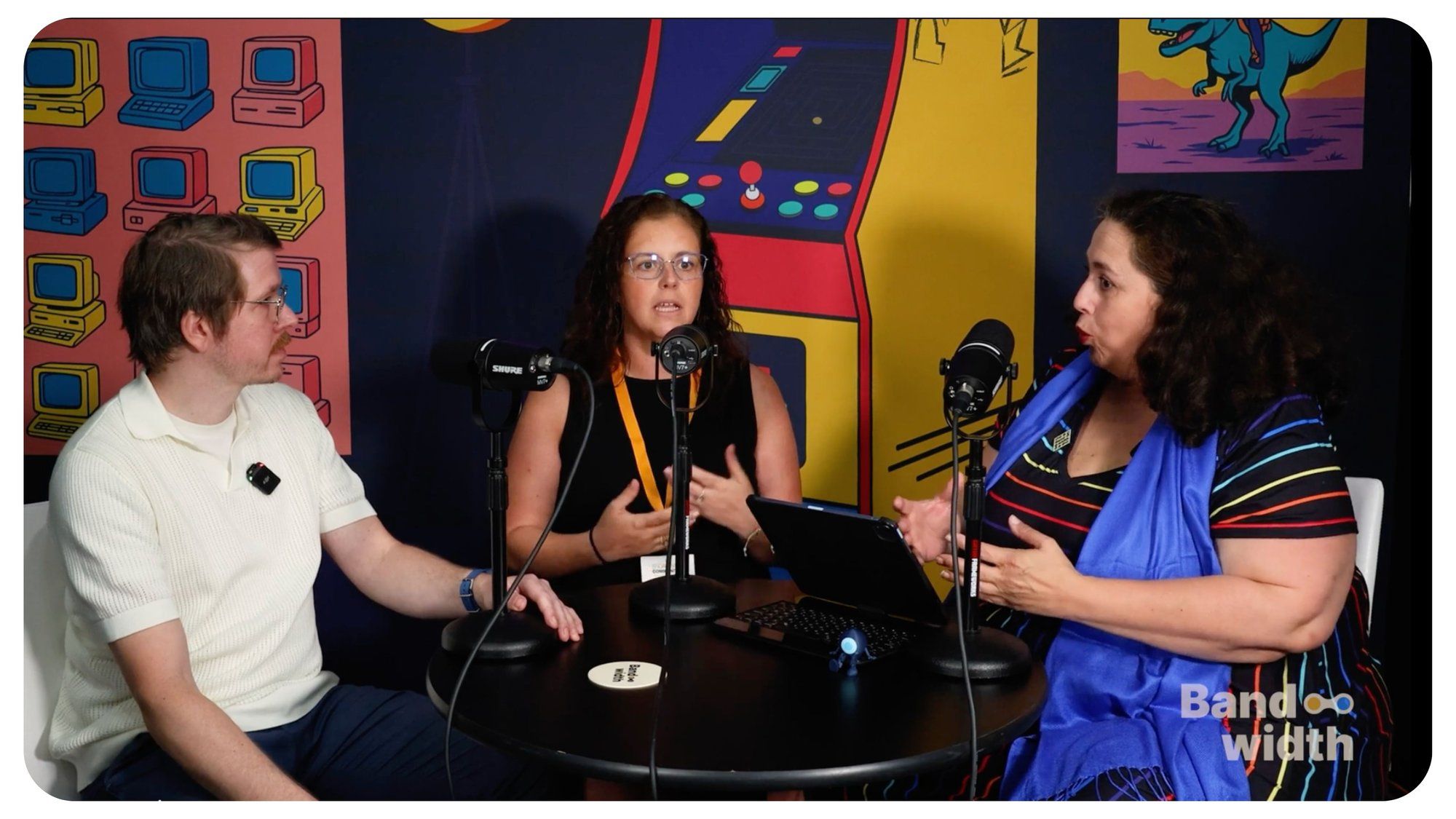
Want to hear the full story? Tune in to next week's episode of the Bandwidth Podcast, airing on September 30th @ 11:00am EDT where we sit down with Megan Steckly, CEO of Compudopt, to dive deeper into the mission, the momentum, and the movement behind digital equity.
Subscribe now so you don't miss it - available wherever you get your podcasts.
Watch & Subscribe on Youtube
https://www.youtube.com/@BandwidthPodcast
Listen on Spotify: https://open.spotify.com/show/42OtNtqv76vfeMhfTp5O5c?si=2sWjnq7jRiGT-BiFwZG0rw
Listen on Apple: https://podcasts.apple.com/us/podcast/bandwidth/id1817083588
Frequently asked questions
What is Compudopt?
Compudopt is the largest U.S. nonprofit focused on digital opportunity. Founded in 2007, it refurbishes donated computers and pairs them with internet access, digital literacy programs, workforce training, and wraparound support across 66 cities in 28 states, reaching over 400,000 people a year.
How does Sonar Software support Compudopt?
Sonar Software is Compudopt's /OSS partner, powering the systems behind their community connectivity efforts. Sonar handles subscriber data, billing, and scalable service delivery so Compudopt can bring affordable, high-speed internet to the communities they serve.
How can my business help close the digital divide?
You can donate retired laptops and devices to Compudopt. A single donated laptop lowers the cost of service from $350 to roughly $50 per household and funds two years of support, education, and connection. Unusable devices still help through resale or recycling.
Questions, answered.
What is Compudopt and how does it close the digital divide?
Compudopt is the largest U.S. nonprofit focused on digital opportunity, operating in 66 cities across 28 states and reaching over 400,000 people a year. It closes the digital divide by providing devices, internet, and tech education to underserved communities.
What are the five pillars of Compudopt's digital equity model?
Compudopt's model rests on five pillars: device access, internet connectivity, digital literacy, workforce training, and wraparound support. Together these pillars address both the hardware and the skills families need to participate online.
How does internet access affect a household's income?
A Center for Rural Innovation study found that households with internet access saw an 18% increase in per capita income. This connects broadband access to economic mobility, not just communication.
How does donating a laptop to Compudopt help families?
Donating a laptop to Compudopt lowers the cost of service from $350 to just $50 per household and funds two years of support. This matters because roughly 14 million U.S. households still do not have a computer at home.
See it on the platform
20 minutes wired to your operation.
An ISP-only specialist walks Sonar through your specific use case. No generic deck, no horizontal SaaS pitch.
Book a meetingWritten by
Georgette Lopez-AguadoVP, Client Experience
Georgette Lopez-Aguado leads Client Experience at Sonar Software and co-founded Women of WISPA. She writes on customer experience, BEAD funding, and the broadband industry from nearly a decade in OSS and BSS.
All posts by Georgette Lopez-Aguado