The Digital Divide Is Evolving, and It’s Not Just About Access
Explore how the digital divide has evolved beyond access to include device ownership, digital literacy, and connectivity, with insights from Megan...
October 1, 2025 · listen
Listen to this episode
Open this episode in your app of choice.
Show notes
Fourteen million households in the United States still don’t have a computer at home. That’s not a decade-old data point. That’s today.
On this episode of Bandwidth, we spoke with Megan Steckly, CEO of Compudopt, about how the digital divide has shifted in ways that are less obvious than a missing laptop. The gap is no longer about access alone. It’s about:
Compudopt’s model addresses the divide through five pillars:
This isn’t just closing a gap. It’s building the scaffolding for economic mobility.
Megan made a point that stuck: “Most 8th graders can play Fortnite. They can’t open Microsoft Word.”
That’s not a punchline. It’s a warning. The generation now in school will never know a world without AI. Their ability to thrive depends not just on exposure, but on fluency. Without it, the divide doesn’t just persist—it compounds.
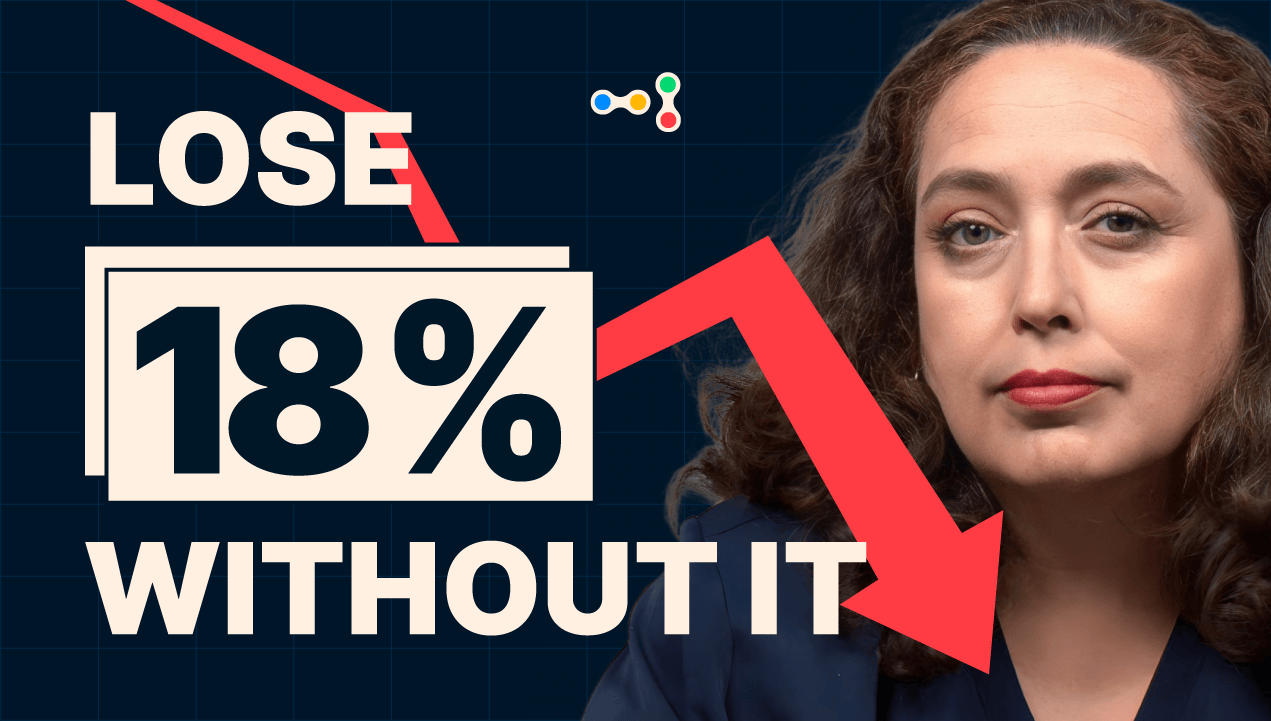
Families with home internet see an 18% increase in per-capita income. That translates into a $5 billion return from a $200 million investment in rural broadband alone. The economic case is clear, before you even count gains in education, health, or workforce participation.
The digital divide is not a fixed challenge. The benchmarks keep shifting.
First it was “get a computer and internet.” Today it is fluency, cybersecurity, AI readiness, and whole-home access. A Chromebook issued by a school doesn’t help a parent apply for jobs or a grandparent access telehealth.
Here’s one that stands out: deploying a new device costs $350. Refurbishing and redeploying a donated device costs $50. That’s a 7x difference.
If you’re in procurement or IT leadership, ask yourself: what are you doing with the hardware collecting dust in storage?
This is not a side issue. Workforce readiness, customer retention, and broadband demand in the next decade all hinge on digital equity.
We’re not just laying fiber. We’re laying the groundwork for futures. The closer our operations align with that reality, the more resilient our businesses and our communities become.
As sponsor and creator of this podcast, Sonar doesn’t just observe the divide, we work to close it. We’ve documented part of this journey featuring Compudot in our blog “ Bridging the Digital Divide: How Compudopt Is Creating True Digital Equity .” You’ll find deeper detail, real metrics, and stories of impact there.
For the full conversation with Megan Steckly, listen to this week’s Bandwidth.
Listen to the full episode on Spotify , Apple Podcasts , or YouTube .